
November 26, 2026


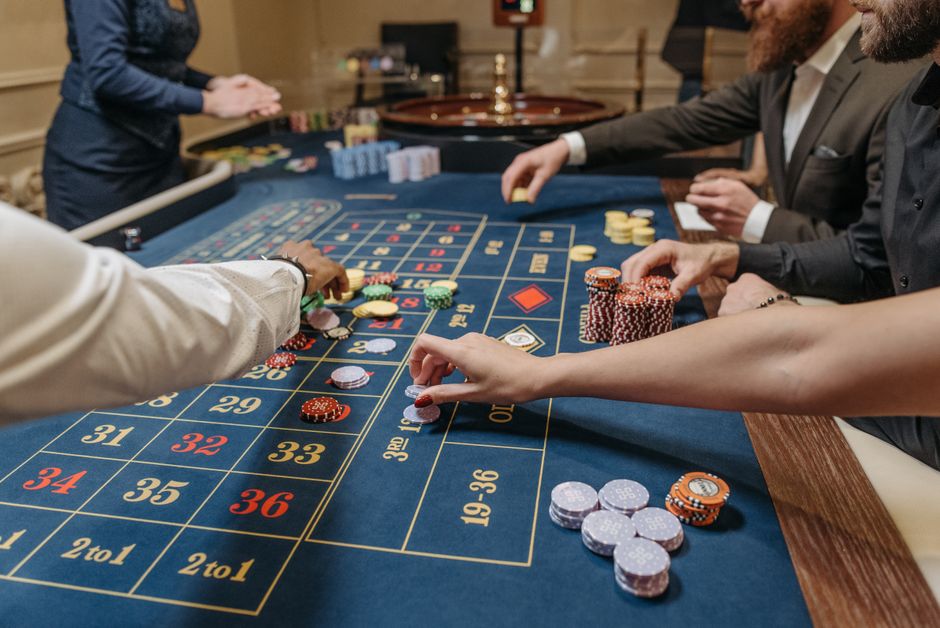

The first time I watched a professional poker player bluff a stranger out of a $40,000 pot, I was three rows back at a packed table in a dimly lit casino. He didn't have the cards. Everyone knew it later. But in that moment, his posture, his breathing, and the way he stacked chips said otherwise. That single hand taught me more about the psychology behind iGaming than any strategy book ever has. Whether you're spinning slots at 2 a.m. from your couch or grinding micro-stakes tournaments on your phone, the underlying mechanics are the same. And once you understand those mechanics, you stop being the player everyone else is quietly relieved to sit next to.
New players tend to treat the house edge like some hidden penalty they need to beat. Veterans treat it as a known cost of doing business. That shift in mindset is everything. When you know the house edge on a given game or bet, you can decide whether the entertainment is worth the price per hour, exactly like you'd do with a concert ticket or a round of golf.
Here's a quick comparison of how far your money typically stretches across common casino offerings, assuming flat, disciplined wagering:
That last line matters. Slots get called "mindless," but the variation between one machine and another is bigger than the gap between blackjack and roulette. A savvy slots player checks the paytable and the advertised RTP before a single spin. A player chasing a jackpot symbol because it looks flashy is just donating with extra steps.
Every slots player figures out RTP eventually. Far fewer understand volatility, and it's arguably more important for how a session actually feels.
Low-volatility slots pay small amounts often. Your bankroll lives longer. High-volatility slots can eat $200 in twenty minutes without a single win, then drop a 500x payout on the 401st spin. Neither is better — they suit different players and different bankrolls. If you've got $50 and an hour to kill, a high-volatility jackpot hunter is a bad match, no matter how good the graphics are.
A few habits that separate recreational slot players from people who actually last:
Here's the beautiful thing about poker — and the reason it hooks people for decades. You're not fighting a 5% hold. You're fighting the specific tendencies of the humans (and increasingly, the solvers) across from you. That means skill compounds. A good player can genuinely profit long term in a way no slots player ever can.
But that also means poker punishes laziness fast. Three things I see wreck recreational players consistently:
Bankroll management in poker deserves its own book. The short version: never sit with more than 5% of your total poker roll at a cash table, and never buy into a tournament for more than 1–2%. That keeps bad beats from becoming bad decisions. Before making a choice, it helps to review slot deposit 5000.
Everyone obsesses over which team will win. Almost nobody obsesses over where to place the bet, and that's quietly the bigger edge. On a two-outcome market, a book at -105 versus -110 is worth more over a hundred bets than most people's analytical work. It's free money for a little comparison shopping.
A few principles that hold up over time:
Responsible gambling tools, from deposit limits to self-exclusion options, aren't bureaucratic noise. They're safety rails. Anyone who's spent enough time around iGaming has watched at least one friend need them.
The smartest players I've met share one habit above all else: they separate their gambling bankroll completely from their actual money. Not metaphorically. Physically. A distinct account. A distinct app card. Once it's gone, it's gone, and next month starts fresh. That single firewall prevents the kind of spiral that turns a hobby into a problem.
Beyond that, they think in terms of EV — expected value — even when they're playing for fun. They know a bonus isn't a bonus if it requires wagering your deposit 40 times. They know that a casino comp isn't free if it pulls them into a higher-stakes session than they planned. And critically, they know that no strategy in existence turns a negative-EV game positive overnight. Anyone claiming otherwise is selling something.
iGaming in 2025 is more accessible and more sophisticated than it's ever been. Live dealer tables stream in 4K, poker solvers are available on a phone app, and sportsbooks price markets to the decimal. The technology is spectacular. But the fundamentals haven't moved an inch since that poker player stared down his opponent with nothing in his hand. Control the bankroll, understand the game, respect the math, and never let a bad night decide your next morning. Do that, and you'll outlast the vast majority of people who walk through the digital door.
Life, history, and style of grand country homes..
Copyright © 2026 The Manor Journal. All rights reserved. The Manor Journal.