
November 26, 2026



You've seen the flashy ads: a smiling influencer winning a massive jackpot on a slot, a poker player bluffing his way to a fortune, or a bettor turning a $10 parlay into thousands. It's easy to get swept up in the hype. But beneath the neon lights and the promise of instant wealth lies a complex, often misunderstood industry. Whether you're a curious newcomer or a seasoned player, understanding the mechanics, the psychology, and the pitfalls of iGaming is crucial. This isn't about raining on your parade; it's about giving you the unvarnished truth so you can navigate the casino, the sportsbook, and the poker table with your eyes wide open.
Let's start with the fundamental truth that every casino, both brick-and-mortar and online, is built on: the house edge. This is the mathematical advantage that ensures the operator profits over time. It's not a conspiracy; it's simply how the games are designed.
Take online slots, for example. Every spin is determined by a Random Number Generator (RNG). The RNG cycles through thousands of numbers per second, and when you hit 'spin', it stops on a sequence that corresponds to the symbols on the reels. The payout percentage, or Return to Player (RTP), is baked into the game's code. A slot with a 96% RTP will, over millions of spins, pay back 96% of all money wagered. The casino keeps the remaining 4% as profit. This means that in the short term, you might win big, but in the long run, the math is stacked against you. For practical tips, check out สล็อต.
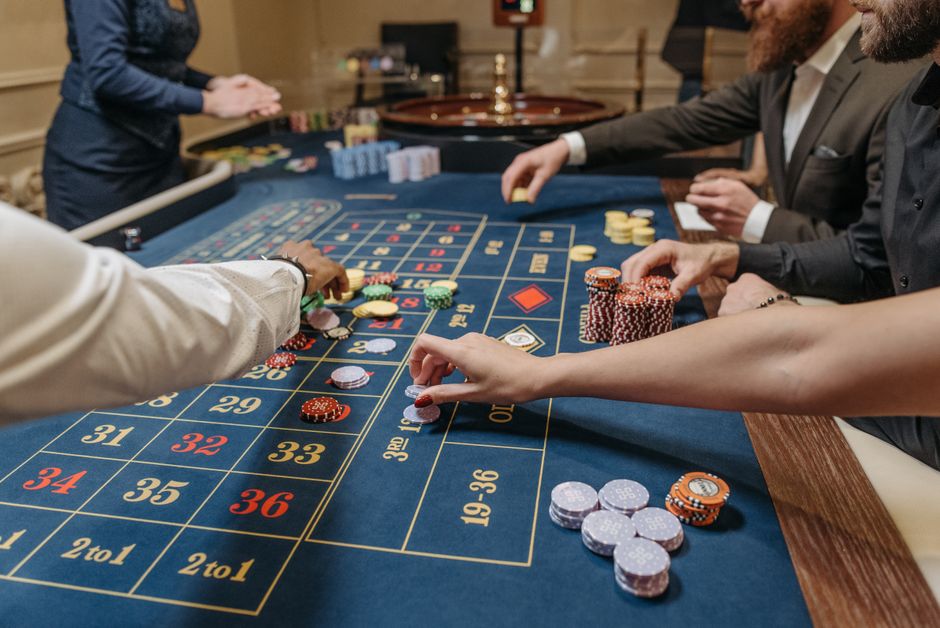
Table games like blackjack and roulette have a lower house edge, especially if you play with basic strategy. In European roulette, the house edge is 2.7%, while in American roulette (with the double zero), it jumps to 5.26%. Poker is unique because you're not playing against the house; you're playing against other players. The casino takes a rake, a small percentage of each pot, which is how they profit. Understanding these numbers is your first step toward playing smart.
Slots are the undisputed king of the casino floor, both online and off. They're simple, require no skill, and offer the tantalizing possibility of a life-changing jackpot. But not all slots are created equal. Here's what you need to know:
A common mistake is chasing losses on slots. The RNG has no memory; a machine that hasn't paid out in hours is no more likely to pay out now than one that just hit a jackpot. Set a budget and stick to it.
Sports betting is often seen as more skillful than slots, and to some extent, that's true. If you follow a sport closely, you can spot value in the odds. But don't fool yourself into thinking it's easy money. The bookmaker's margin, or 'vig', ensures they profit regardless of the outcome. For example, if two teams are evenly matched, you might see odds of -110 on both sides. This means you need to bet $110 to win $100. The extra $10 is the bookmaker's cut.
To be successful, you need to:
Poker is the only game in the casino where you can consistently win if you're skilled enough. But 'skilled' is the operative word. The learning curve is steep, and the variance can be brutal. In Texas Hold'em, you're dealt two hole cards and must make the best five-card hand using any combination of your hole cards and the five community cards.
Key concepts to master include:
The mental game is just as important as the technical one. Tilt – playing emotionally after a bad beat – is a bankroll killer. Learn to recognize it and step away.
iGaming is entertainment. It should never be a way to make a living or solve financial problems. The vast majority of players lose money over time. Set strict limits on time and money, and never chase losses. Use the deposit limits, session timers, and self-exclusion tools that reputable sites provide. If gambling stops being fun, seek help. Organizations like the National Council on Problem Gambling offer confidential support.
The industry is evolving rapidly. Cryptocurrencies are enabling anonymous, instant transactions. Virtual reality casinos are on the horizon, promising immersive experiences. Skill-based games are blurring the line between casino and video games. And AI is being used to personalize bonuses and detect problem gambling behaviors. As technology advances, so will the ways we play. But the core principles – the house edge, variance, and the importance of discipline – will remain. The smartest players are those who educate themselves, manage their bankroll, and treat iGaming as what it is: a thrilling, sometimes costly, form of entertainment.
Life, history, and style of grand country homes..
Copyright © 2026 The Manor Journal. All rights reserved. The Manor Journal.